
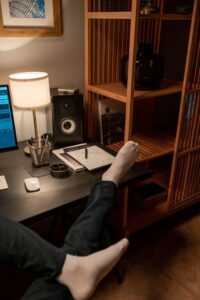
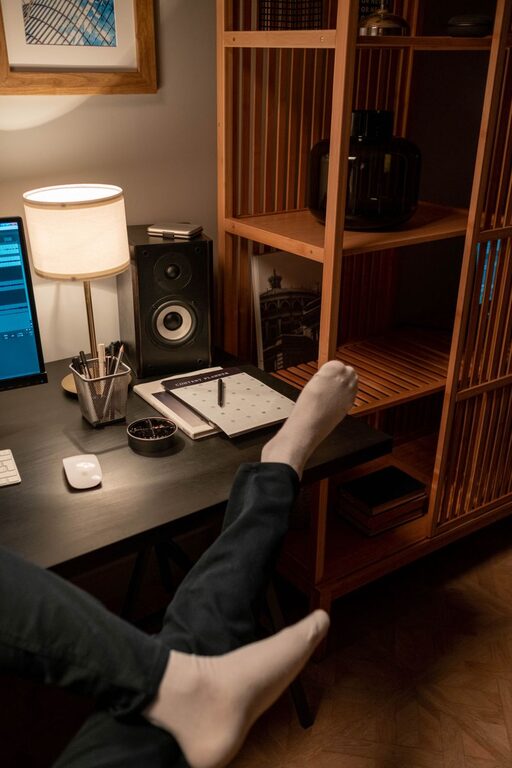
Creating a relaxing home workspace is essential for maintaining productivity and comfort, especially as many people spend more time working remotely. A well-designed space can reduce stress, improve focus, and make your workday more enjoyable. Whether you have a dedicated room or a small corner, these tips will help you transform your workspace into a calm and efficient environment.
Choose the Right Location
Selecting the perfect spot in your home plays a significant role in how comfortable and productive you feel.
– Natural Light: Position your desk near a window if possible. Natural light can boost your mood and reduce eye strain.
– Quiet Area: Try to find a space away from high-traffic areas and noise distractions.
– Ventilation: Good air circulation keeps the space fresh and inviting.
Invest in Comfortable Furniture
Comfortable furniture supports your body throughout long work hours, preventing fatigue and discomfort.
– Ergonomic Chair: Choose a chair that supports good posture with adjustable height and lumbar support.
– Spacious Desk: Ensure your desk has enough room for your computer, notebooks, and other essentials without feeling cluttered.
– Footrest: A footrest can improve circulation and reduce leg strain if your feet don’t touch the ground comfortably.
Keep Your Workspace Organized
A tidy workspace helps your mind stay clear and focused.
– Declutter Regularly: Remove unnecessary items to reduce distractions.
– Storage Solutions: Use shelves, drawers, or organizers to keep supplies neat and accessible.
– Cable Management: Use clips or sleeves to avoid tangled cords and keep surfaces clean.
Personalize Your Space
Adding personal touches creates a welcoming atmosphere that motivates you to work.
– Plants: Indoor plants add a touch of nature and can improve air quality.
– Artwork: Display calming or inspiring artwork to enhance your mood.
– Decor: Use soft colors, cushions, or rugs that make the space feel cozy.
Manage Lighting Effectively
Proper lighting reduces eye strain and sets the tone for your workspace.
– Adjustable Desk Lamp: Use a lamp with adjustable brightness and direction to avoid glare.
– Layered Lighting: Combine ambient lighting with task lighting to create a comfortable environment.
– Avoid Blue Light Overload: Consider using screen filters or glasses that minimize blue light, especially in the evening.
Limit Distractions
Minimizing distractions helps you stay focused and productive.
– Set Boundaries: Use room dividers or signs to indicate your working time.
– Use Noise-Canceling Headphones: They can block out background noise if you don’t have a quiet area.
– Turn Off Notifications: Silence non-essential notifications during work hours.
Incorporate Break Areas
Including a spot for short breaks encourages you to rest and recharge.
– Comfortable Seating: Add a small chair or bean bag nearby to stretch your legs.
– Relaxation Tools: Keep items like stress balls, books, or meditation apps handy.
– Hydration Station: Place a water bottle or a small coffee maker within reach to stay refreshed.
Maintain a Routine for Cleanliness
Cleanliness promotes a relaxing environment and productivity.
– Daily Tidying: Spend a few minutes at the end of each day to tidy your workspace.
– Weekly Deep Cleaning: Dust surfaces and clean electronic devices regularly.
– Air Fresheners: Use subtle scents like lavender or eucalyptus to keep the air pleasant.
Use Technology Wisely
Technology can enhance your workspace comfort when used thoughtfully.
– Monitor Stands: Raise screens to eye level to prevent neck strain.
– Wireless Devices: Use wireless keyboards and mice to reduce cord clutter.
– Productivity Apps: Use tools to manage tasks and time effectively.
Prioritize Comfort and Well-being
Your comfort and well-being are key to sustained productivity.
– Stretching: Incorporate short stretching exercises to avoid stiffness.
– Temperature Control: Adjust the room temperature to your preference with fans or heaters.
– Mindfulness: Take moments for deep breathing or mindfulness exercises throughout the day.
—
Creating a relaxing home workspace is a personal process, and small changes can have a big impact on your day-to-day comfort and productivity. Experiment with these tips to find the setup that works best for you, and enjoy a more pleasant and efficient work-from-home experience.