Creating a relaxing home workspace is essential for balancing productivity and comfort, especially as more people work remotely. A well-designed space can help reduce stress, increase focus, and make your workday more enjoyable. Whether you have a dedicated room or just a small corner, these tips will guide you in setting up a calming environment tailored to your needs.
Choose the Right Location
Your workspace location can significantly affect your mood and efficiency.
– Natural Light: Pick a spot near a window if possible. Natural light helps regulate your body clock and uplifts your mood.
– Quiet Environment: Select a place away from household noise and distractions. This might be a spare room, a quiet corner, or even a loft.
– Comfortable Temperature: Ensure the area isn’t too hot or cold, as temperature comfort affects concentration.
Invest in Comfortable Furniture
Good furniture encourages good posture and prevents fatigue.
– Ergonomic Chair: Invest in an adjustable chair that supports your lower back and allows your feet to rest flat on the floor.
– Appropriate Desk Height: Your desk should be at a height where your arms are at a 90-degree angle when typing.
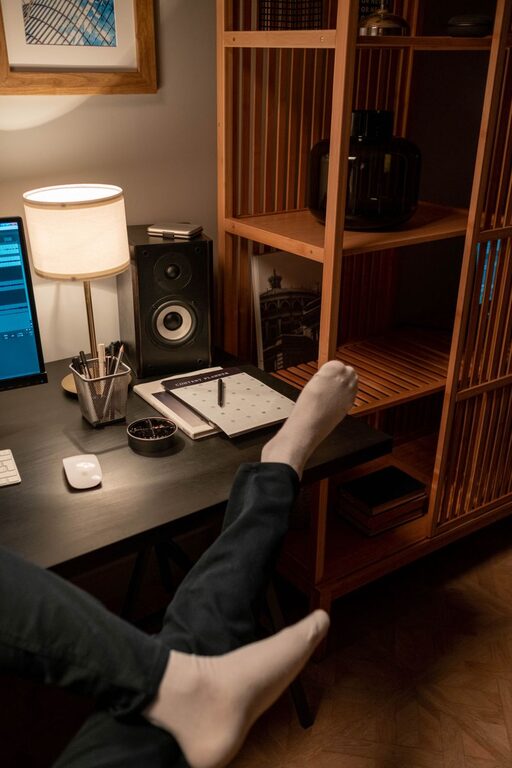
– Flexible Setup: Consider a sit-stand desk or add a footrest for added comfort throughout the day.
Keep Your Space Organized
A clutter-free environment promotes clarity and relaxation.
– Storage Solutions: Use shelves, drawers, or filing cabinets to keep papers and supplies neatly tucked away.
– Minimal Décor: Decorate with a few personal items, but avoid overcrowding surfaces.
– Daily Tidying: Spend a few minutes at the end of each workday clearing your desk to start fresh tomorrow.
Choose Soothing Colors and Décor
Colors and décor impact your mood and focus.
– Soft Color Palette: Use calming colors like soft blues, greens, or neutrals to foster a peaceful atmosphere.
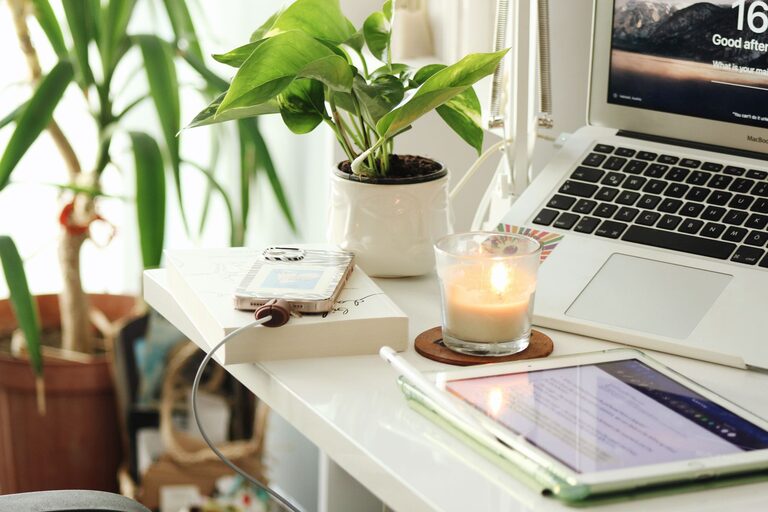
– Plants: Adding a few low-maintenance plants can improve air quality and add a touch of nature.
– Minimal Distractions: Avoid overly busy patterns or bright colors that might be visually overstimulating.
Control Noise and Lighting
Sound and lighting directly affect your comfort and productivity.
– Noise Management: Use noise-canceling headphones, white noise machines, or soft background music to block distracting sounds.
– Proper Lighting: Combine natural light with adjustable desk lamps to prevent eye strain. Warm light tends to be more relaxing.
– Window Treatments: Use blinds or curtains to control sunlight and glare.
Establish Boundaries for Work and Relaxation
Separating work from personal life helps maintain balance.
– Defined Workspace: Only use your workspace for work to mentally separate tasks from relaxation.
– Scheduled Breaks: Plan short, regular breaks to stretch or walk around, preventing burnout.
– End-of-Day Routine: Develop a ritual to “close” your workspace at the end of the day, signaling work is done.
Personalize Your Space Mindfully
Add touches that motivate and calm you without causing clutter.
– Inspirational Items: Include photos, quotes, or artwork that inspire but don’t distract.
– Comfort Items: Use a cozy blanket or cushion for added comfort.
– Scent: Use a subtle, pleasant scent like lavender or eucalyptus with diffusers or candles to promote relaxation.
Manage Technology Wisely
Technology is essential but can create stress if unmanaged.
– Cable Management: Organize cables with clips or ties to maintain a neat look.
– Device Placement: Position screens at eye level to avoid neck strain.
– Limit Notifications: Turn off non-essential notifications to maintain focus during work hours.
Incorporate Movement and Break Areas
Encouraging movement supports both mental and physical health.
– Stretching Space: Leave a small area free for stretching or yoga.
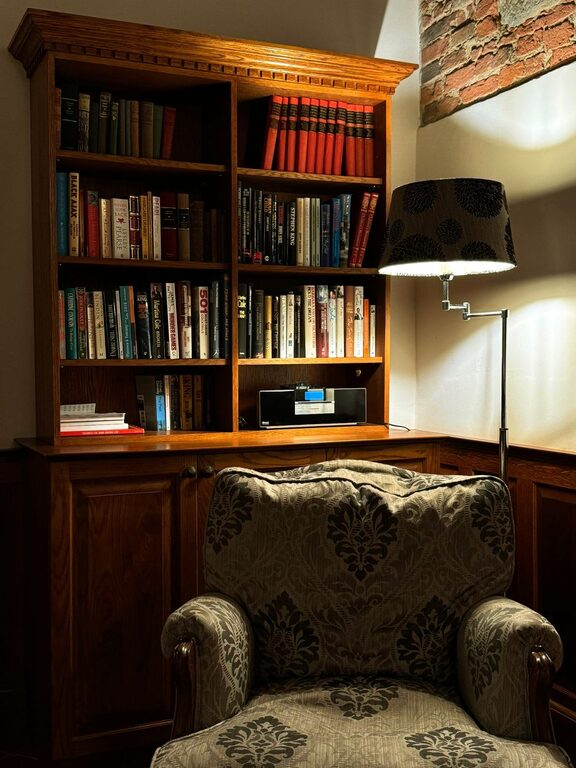
– Break Spot: If possible, create a separate, cozy corner to take breaks away from the desk.
Final Thoughts
Making your home workspace a relaxing place doesn’t require a full renovation. Small, thoughtful changes can transform your work environment into a calm, inspiring space. Start with these tips, and adapt them to fit your personal preferences and lifestyle. A peaceful workspace is a key ingredient for a happier and more productive work-from-home experience.